
When it comes to designing a hotel room, every detail matters—from the furniture layout to the lighting, and especially the window treatments. Hotel curtains in Abu Dhabi play a pivotal role in shaping the ambiance of a room and influencing a guest’s comfort. Their design is not just a decorative choice; it significantly affects light control, privacy, temperature regulation, and the overall aesthetic appeal. Choosing the right curtains requires careful consideration of material, length, style, and functionality to ensure a luxurious yet practical experience for every guest.
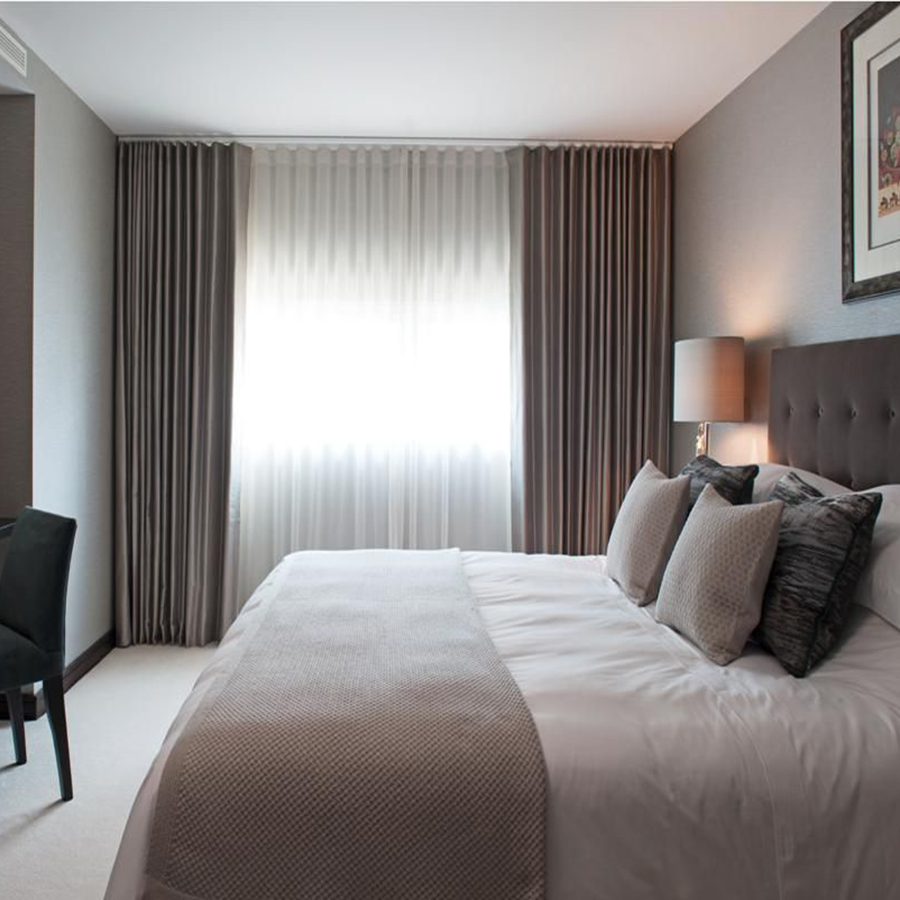
Hotels cater to diverse clientele, from business travelers seeking a calm, work-friendly environment to vacationers desiring relaxation and privacy. Curtains are a key factor in meeting these varying expectations. The right curtain can create a sense of tranquility, block excessive sunlight, reduce noise, and even complement the hotel’s branding. This article explores the critical aspects of hotel curtain design, including materials, installation techniques, maintenance, and emerging interior design trends.
Understanding the elements of hotel curtains is essential not only for designers and hoteliers but also for anyone interested in interior design. By examining how curtain choices influence guest comfort and room ambiance, one can make informed decisions that enhance the overall hospitality experience.
How hotel curtain design influences guest comfort and overall room ambiance in modern hospitality spaces
Hotel curtains are central to guest comfort. The right design can transform a room from ordinary to luxurious. One of the primary considerations is light control. Guests need curtains that can block out bright sunlight or city lights when necessary, especially for rooms intended for rest after long journeys. Blackout curtains are often preferred in hotel rooms for their ability to create complete darkness, supporting better sleep quality.
Acoustic benefits also play a role. Heavy curtains can help absorb external noise, which is particularly important in urban settings. Moreover, curtains contribute to the room’s visual harmony. Coordinating colors, patterns, and textures with furniture and wall finishes enhances the overall ambiance. A well-thought-out curtain design can make a room feel more spacious, intimate, or opulent, depending on the hotel’s concept and target audience.
Another consideration is thermal comfort. In regions like Abu Dhabi, where temperatures can fluctuate, curtains with thermal lining can regulate indoor temperatures by reducing heat gain during the day and heat loss at night. This not only enhances guest comfort but can also contribute to energy efficiency.
Key fabric characteristics hotels consider when selecting durable and elegant window treatments
Selecting the right fabric is crucial in hotel curtains abu dhabi design. Durability, aesthetic appeal, and functionality must all be balanced. Hotels often favor heavy-duty fabrics such as velvet, jacquard, or linen blends for their longevity and luxurious appearance. These fabrics resist wear and tear, maintain their color over time, and provide excellent draping quality.
In addition to durability, fabric texture affects the room’s visual feel. Smooth fabrics like silk or satin can create an elegant and polished look, while textured fabrics like tweed or woven blends add warmth and character. Hotels must also consider ease of cleaning; fabrics that withstand frequent laundering or professional cleaning are preferred, ensuring curtains remain fresh and presentable for guests.
Fabrics also play a role in light control. Thick, tightly woven materials are ideal for blackout curtains, while lighter, semi-transparent fabrics can be used for sheer layers that diffuse natural light softly. Combining different fabrics in layers allows for flexibility in light management while maintaining aesthetic appeal.
The role of light control and privacy in creating relaxing hotel room environments
Effective light control is vital for guest comfort. Guests often arrive at different times of day and may require varying levels of brightness in their rooms. Adjustable curtains enable guests to control light exposure, enhancing relaxation and sleep quality. Full blackout curtains are particularly important for those sensitive to light, while layered sheer curtains allow natural light to filter in softly, maintaining privacy during daytime hours.
Privacy is another key consideration. Guests expect a high degree of discretion, especially in rooms with large windows overlooking cityscapes or other properties. Curtains provide a simple yet effective solution to create a private sanctuary. In addition to drawing curtains, the combination of sheer and opaque layers allows hotels to offer both natural light and privacy simultaneously.
The positioning and installation of curtains also affect privacy and light control. Floor-to-ceiling curtains create a seamless barrier, while precise rod placement ensures complete coverage of windows. Hotels often integrate automated or motorized systems for guest convenience, enabling effortless adjustment with a switch or remote control.
How curtain length, layering, and installation style impact hotel room aesthetics
Curtain length is more than a functional choice; it significantly influences room aesthetics. Floor-length curtains are often used to create an elegant and sophisticated look, while slightly shorter curtains can create a more casual ambiance. Layering is another critical design strategy. Combining sheer panels with heavier drapes allows hotels to adjust light, maintain privacy, and add depth and dimension to window blinds repair treatments.
Installation style also matters. Curtains can be mounted on traditional rods, concealed tracks, or ceiling-mounted systems. Ceiling-mounted installations elongate the room visually, making it appear taller and more spacious. Additionally, pleating styles—such as pinch pleats, box pleats, or goblet pleats—add texture and refinement to the overall décor. Strategic placement of tiebacks can further enhance style and function, allowing guests to customize the curtain appearance effortlessly.
Maintenance considerations for hotel curtains in high-traffic hospitality settings
Hotel curtains endure daily use and frequent handling, making maintenance a critical factor in design decisions. Durability and ease of cleaning are top priorities. Fabrics should be resistant to fading from sunlight, staining, and general wear. Many hotels opt for machine-washable fabrics or those compatible with professional laundering services to ensure longevity.
Regular inspection and upkeep prevent damage and maintain aesthetic appeal. This includes checking for loose pleats, broken rings, or damaged tracks. In some cases, curtains may require replacement or refurbishment after several years of heavy use. Adopting a preventive maintenance plan ensures that curtains continue to enhance the guest experience without requiring constant intervention.
Hotels must also consider the environmental conditions in their rooms. In humid climates, fabrics may require treatments to prevent mold or mildew, while in dusty areas, curtains may need more frequent vacuuming or dry cleaning.
Why blackout lining is often essential for guest satisfaction and sleep quality
Blackout lining is a critical feature in hotel curtains because it directly impacts guest comfort and satisfaction. By completely blocking external light, blackout curtains allow guests to sleep at any time of day, accommodating those on varying schedules, including business travelers and long-haul tourists. This feature is particularly beneficial in urban environments where streetlights and signage may interfere with sleep.
In addition to improving sleep quality, blackout lining enhances room insulation, reducing heat transfer and contributing to energy efficiency. It also provides an additional layer of sound absorption, reducing disturbances from traffic or other external noise. Hotels that invest in high-quality blackout curtains can significantly improve their guests’ perception of comfort and luxury.
For hotels looking to combine style and functionality, pairing blackout lining with decorative fabrics ensures that aesthetic appeal is not compromised. This approach allows for a harmonious design that meets practical needs while elevating the overall ambiance.
Interior design trends shaping hotel window treatments in luxury accommodations
Current trends in hotel curtain design emphasize customization, sustainability, and integration with smart technologies. Designers increasingly opt for layered curtains combining different textures and opacity levels, allowing for versatile light control. Neutral tones, jewel colors, and metallic accents are popular choices to complement contemporary hotel interiors.
Sustainability is another important trend. Eco-friendly fabrics, such as organic cotton and recycled polyester, are being incorporated into hotel curtain designs. These materials are durable, low-maintenance, and environmentally responsible, aligning with growing guest expectations for sustainable practices.
Smart curtain systems are gaining popularity in luxury hotels. Automated curtains can be programmed to open and close at specific times, synchronize with lighting systems, or respond to voice commands, enhancing guest convenience. Such innovations integrate seamlessly with overall interior design, providing both functionality and aesthetic appeal.
How coordinated curtains contribute to branding and visual identity in hotel interiors
Curtains are a subtle but powerful tool for expressing a hotel’s brand identity. Colors, patterns, and textures can reflect the hotel’s theme, target audience, and overall design philosophy. For instance, a boutique hotel might use unique fabric patterns to convey individuality and style, while a luxury chain may prioritize opulent textures and rich colors to evoke elegance and sophistication.
Coordinated window treatments also tie together various elements of a room, creating a cohesive design. Matching curtains with bed linens, upholstery, and accent pieces reinforces the visual identity and ensures a memorable guest experience. Even subtle design choices, such as fabric weave or pleat style, contribute to the perception of quality and attention to detail.
Additionally, curtains can differentiate public spaces from private areas. Using distinct colors or patterns in lobbies, meeting rooms, or suites subtly signals functional zoning while enhancing overall brand storytelling.
Conclusion
Hotel curtains in Abu Dhabi are more than decorative elements—they are functional components that influence guest comfort, privacy, and room ambiance. From selecting durable fabrics and implementing blackout linings to understanding trends in interior design, every decision impacts the overall experience. Properly designed curtains enhance aesthetic appeal, regulate light and temperature, and provide a sense of tranquility that guests expect. Whether in luxury hotels or boutique accommodations, investing in thoughtful curtain design is essential for creating a welcoming and comfortable environment.
By focusing on material selection, installation, maintenance, and style trends, hoteliers can ensure that window treatments contribute to both practical needs and brand identity. Coordinated, well-designed curtains transform ordinary rooms into inviting spaces that leave a lasting impression, proving that thoughtful attention to detail can elevate hospitality experiences.
FAQs
What features make curtains suitable for hotel environments?
Curtains in hotels should combine durability, light control, noise reduction, and aesthetic appeal. Heavy fabrics, proper lining, and thoughtful installation enhance comfort and maintain appearance over time.
Why do many hotels prefer blackout curtains in guest rooms?
Blackout curtains block external light completely, improving sleep quality and allowing guests to rest at any time of day. They also help with thermal insulation and noise reduction.
How often should hotel curtains be cleaned or maintained?
Regular maintenance depends on usage but generally includes professional laundering or dry cleaning at least once or twice a year, along with periodic inspections for wear or damage.
What fabrics are most commonly used for hotel window treatments?
Common fabrics include velvet, jacquard, linen blends, and heavy cotton curtains dubai. These materials offer durability, aesthetic appeal, and the ability to control light and privacy effectively.
How do curtains affect guest sleep quality and comfort?
Curtains regulate light and sound in the room, creating a restful environment. Blackout and layered curtains minimize disturbances, contributing to better sleep and overall comfort.
In addition to these considerations, hotels in Abu Dhabi often integrate hotel curtains abu dhabi with other functional elements such as folding door dragon mart for space efficiency. Regular window blinds repair ensures consistent performance, while options like cotton curtains dubai provide breathable, natural textures for a comfortable and visually pleasing guest experience.
This comprehensive approach to hotel curtain design ensures a balance between functionality, aesthetics, and guest satisfaction, making curtains a crucial element in the overall hospitality experience.