
Office design plays an important role in employee concentration, comfort, and workplace efficiency. Among the many elements that influence office interiors, curtains are especially valuable because they help manage lighting, privacy, acoustics, and decorative balance. Well-designed office curtains create professional environments that feel organized, comfortable, and visually appealing throughout the workday.
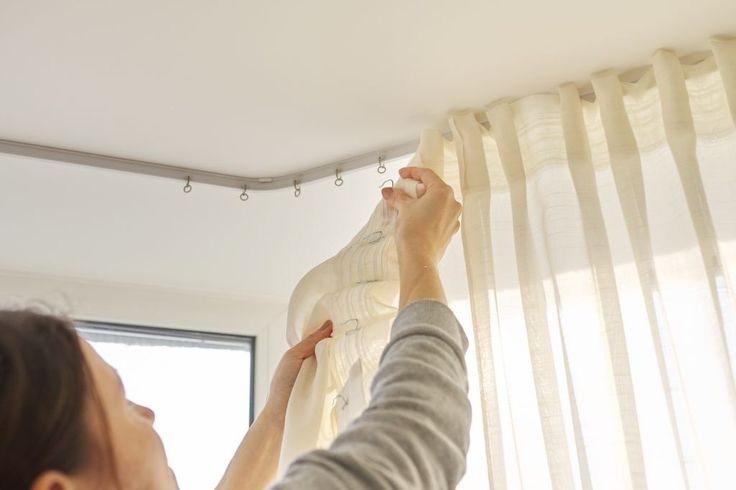
Modern office spaces use curtain systems not only for decoration but also for functionality. From executive offices to meeting rooms and collaborative spaces, curtains help regulate natural light and improve workplace atmosphere while supporting a more focused environment.
How office curtain design affects concentration and workplace atmosphere
Lighting and visual comfort strongly influence employee productivity. Harsh sunlight, glare on screens, and overly bright environments can reduce concentration and create discomfort during long working hours.
Office curtain designs help by:
- Filtering natural sunlight
- Reducing visual glare
- Softening indoor brightness
- Improving overall comfort
Businesses researching curtain design for office often focus on styles that balance professionalism with practical lighting control.
Curtains also contribute to atmosphere by creating softer visual boundaries and helping large office interiors feel calmer and more organized.
Popular chiffon curtain styles used in modern office interiors today
Chiffon curtains are increasingly used in offices that aim to maintain brightness while adding softness to the interior.
Benefits of chiffon fabrics include:
- Gentle light diffusion
- Lightweight appearance
- Elegant texture
- Improved visual openness
These curtains work particularly well in:
- Reception areas
- Creative workspaces
- Meeting rooms
- Executive offices
Many designers exploring chiffon curtains appreciate how sheer fabrics soften natural light without completely blocking outdoor visibility.
Chiffon materials are commonly layered with heavier drapes to improve flexibility and privacy.
The role of layered office curtains in balancing privacy and lighting
Layered curtain systems allow offices to adjust privacy and lighting throughout the day.
Typical combinations include:
- Sheer inner curtains
- Blackout outer panels
- Textured decorative layers
Advantages of layered office curtains:
- Flexible daylight control
- Better meeting room privacy
- Improved acoustic softness
- Enhanced visual depth
Layered systems help offices adapt to different functions such as presentations, collaborative work, and video conferences.
This versatility makes them highly effective for modern multi-purpose workspaces.
How curtain textures contribute to professional and organized interiors
Texture plays an important role in office design because it influences how formal, comfortable, or modern a space feels.
Popular office curtain textures include:
- Smooth woven fabrics
- Soft matte finishes
- Lightweight sheer materials
- Subtle geometric patterns
Textured curtains help:
- Reduce visual monotony
- Add decorative depth
- Soften hard architectural surfaces
- Improve interior warmth
Balanced textures create more inviting workspaces without appearing distracting or overly decorative.
Common office curtain color combinations used in workspace design
Office curtain colors are typically selected to maintain calm and professional environments.
Popular color combinations include:
- Gray and white
- Beige and charcoal
- Soft silver and cream
- Neutral earth tones
These combinations support:
- Better visual balance
- Reduced eye fatigue
- Professional appearance
- Interior flexibility
Many workplaces researching york curtains compare neutral curtain palettes that coordinate easily with office furniture and flooring.
Strong or highly saturated colors are usually minimized in offices focused on concentration and professionalism.
Maintenance practices that preserve office curtain quality over time
Office curtains are exposed to sunlight, dust, and daily movement, making regular maintenance important for long-term durability.
Recommended maintenance routines include:
- Vacuuming curtain surfaces weekly
- Cleaning stains immediately
- Checking rails and hooks periodically
- Rotating folds to prevent uneven fading
- Following manufacturer cleaning instructions
Consistent care helps preserve:
- Fabric texture
- Curtain color
- Smooth operation
- Professional appearance
Low-maintenance materials are often preferred in busy office environments because they remain visually clean with less effort.
Ways office curtain layouts improve meeting room functionality indoors
Meeting rooms require flexible lighting and privacy solutions for presentations, conferences, and discussions.
Effective curtain layouts include:
- Floor-to-ceiling curtains for larger rooms
- Layered blackout systems for presentations
- Neutral light-filtering curtains for daily use
These layouts improve:
- Screen visibility
- Acoustic comfort
- Visual professionalism
- Adjustable privacy
Well-planned curtain arrangements also help meeting rooms feel more comfortable and less visually harsh.
Choosing suitable curtain styles for collaborative and private offices
Different office areas require different curtain solutions depending on their function.
Collaborative Spaces
- Lightweight curtains maintain openness
- Neutral colors support visual consistency
- Sheer fabrics preserve brightness
Private Offices
- Layered curtains improve privacy
- Richer textures create sophistication
- Blackout panels improve focus
Matching curtain style to workspace purpose helps improve functionality while maintaining cohesive interior design.
Conclusion
Office curtain design significantly affects workplace comfort, lighting, productivity, and visual organization. By selecting suitable fabrics, layered systems, balanced textures, and professional color combinations, businesses can create interiors that support both concentration and comfort. Proper maintenance and thoughtful layout planning help office curtains remain effective and visually appealing for years.
FAQs
What curtain designs work best in office interiors?
Layered systems, neutral colors, and light-filtering fabrics are commonly preferred.
How do chiffon curtains affect workspace appearance?
They soften natural light and create brighter, more elegant interiors.
Why are layered office curtains useful for workplaces?
They provide flexible privacy and adjustable lighting control.
Which office curtain colors improve concentration?
Neutral shades such as gray, beige, and soft white work well.
How can office curtains improve workplace privacy?
Layered and blackout curtains help reduce visibility and distractions.