
Office interiors are designed to support productivity, comfort, and professionalism. Among the many design elements that contribute to a well-organized workplace, window treatments play an important role. Curtains in office environments help regulate sunlight, improve visual comfort, and enhance the overall appearance of the workspace.
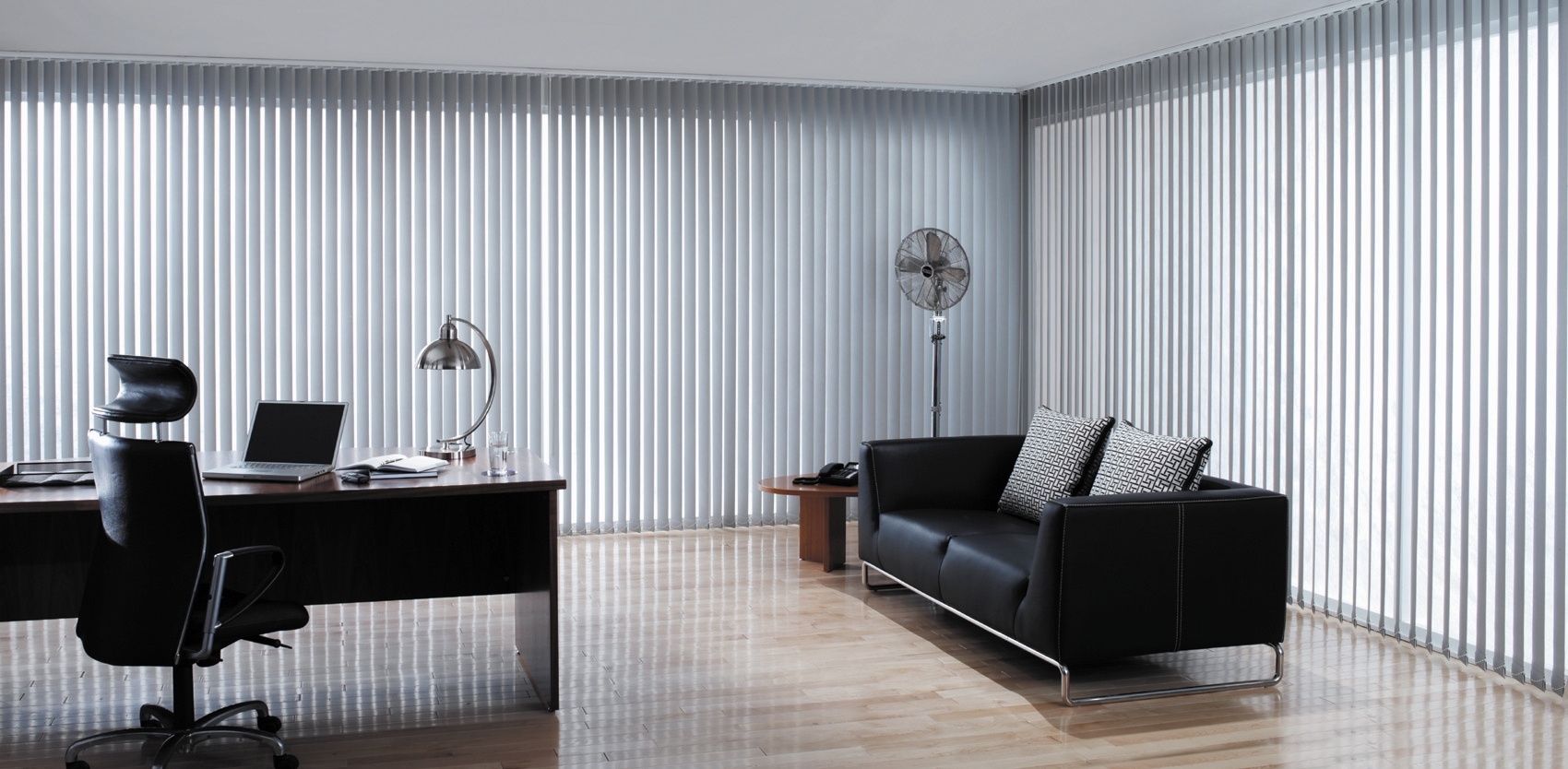
In cities known for bright sunlight and modern architecture, offices must carefully manage natural light entering the workplace. Curtains help create a balanced indoor environment where employees can work comfortably without glare, excessive brightness, or unwanted distractions. They also contribute to privacy in meeting rooms and executive offices.
Understanding the design considerations behind office curtains allows businesses to create workspaces that combine functionality with visual harmony. From fabric selection to maintenance requirements, several factors influence how well office curtains perform in professional environments.
Understanding Why Window Treatments Are Essential for Modern Office Interiors in Dubai Workplaces
Modern office spaces often feature large windows and glass facades that allow natural light to fill the interior. While natural light is beneficial for employee wellbeing and energy efficiency, it must be properly managed to avoid discomfort.
Curtains serve several essential functions in contemporary office design:
- Controlling brightness levels throughout the day
- Reducing glare on computer screens and workstations
- Enhancing visual comfort for employees
- Improving privacy in meeting rooms and offices
- Supporting the overall interior design concept
Without window treatments, offices may struggle with uneven lighting conditions that affect concentration and productivity.
Many workplaces choose functional yet stylish solutions such as office curtains dubai to maintain both practicality and professional aesthetics within corporate interiors.
How Climate, Sunlight Intensity, and Building Architecture Influence Office Curtain Choices in Dubai
Environmental conditions play a significant role in determining the type of curtains used in office spaces. In regions where sunlight is intense throughout the year, window treatments must be designed to manage brightness and indoor temperatures effectively.
Several environmental factors influence curtain selection:
Sun exposure
Offices facing direct sunlight require stronger light-blocking or filtering fabrics.
Heat management
Curtains can help reduce heat entering through large windows, improving indoor comfort.
Building design
Glass-heavy architecture often requires larger curtain systems to provide adequate coverage.
Orientation of windows
Curtain solutions may differ depending on whether windows face east, west, or south.
These factors highlight why curtain design must be tailored to the specific building and workspace layout rather than using a one-size-fits-all approach.
Important Design Considerations When Selecting Curtains for Corporate Offices and Meeting Rooms
Corporate offices and meeting rooms often have different functional requirements when it comes to window treatments. Curtains must support privacy, lighting control, and visual harmony with the rest of the interior.
Some key design considerations include:
- Professional appearance: Curtains should match the overall office design style.
- Ease of operation: Employees should be able to adjust curtains quickly when needed.
- Consistency: Window treatments should maintain a unified look across the office.
- Durability: Materials must withstand long-term use and exposure to sunlight.
Meeting rooms, in particular, benefit from curtains that can effectively block or soften light during presentations or video conferences.
Curtain fabrics may vary depending on the intended atmosphere of the room. In some executive spaces, elegant materials such as silk curtains are used to create a refined and sophisticated environment.
How Curtain Fabrics Influence Privacy, Insulation, and Visual Comfort in Office Environments
Curtain fabrics directly affect how well window treatments perform in office settings. Different materials offer varying levels of transparency, insulation, and sound absorption.
Lightweight fabrics allow natural light to filter through while still softening brightness. These materials are suitable for open workspaces where daylight is desirable.
Heavier fabrics, on the other hand, provide stronger privacy and better light blocking. They are commonly used in conference rooms, boardrooms, and executive offices.
Fabric choice also affects indoor comfort in several ways:
- Improving thermal insulation near windows
- Reducing reflections from glass surfaces
- Absorbing some background noise in large rooms
Selecting the right combination of materials helps offices achieve the ideal balance between light control and visual openness.
The Relationship Between Office Branding, Interior Design Themes, and Curtain Styles
Office interiors often reflect a company’s identity and culture. Color schemes, furniture styles, and architectural details are usually chosen to represent the brand’s values and professionalism.
Curtains contribute to this visual identity by complementing the broader design concept. Their colors, textures, and patterns should align with the overall office theme.
For example:
- Minimalist offices may use simple neutral curtains.
- Creative agencies might incorporate subtle textures or patterns.
- Executive offices may feature more refined fabrics.
In some workplaces, curtain designs may also draw inspiration from traditional or cultural interior concepts. Decorative influences related to settings such as arabic majlis dubai interiors can introduce distinctive visual character while still maintaining a professional atmosphere.
By aligning curtain styles with office branding, businesses create cohesive and memorable interior environments.
Differences Between Traditional Curtains and Modern Blinds Used in Contemporary Offices
Office window treatments are not limited to curtains alone. Many workplaces combine curtains with other shading systems to improve flexibility and functionality.
Traditional curtains are known for their softness and decorative qualities. They can frame windows elegantly and help soften the architectural lines of modern office spaces.
Blinds, on the other hand, offer more precise control over light and privacy. They are often used in:
- Workstations near windows
- Conference rooms with presentation screens
- Glass-walled offices
Combining curtains with blinds allows offices to adjust lighting conditions throughout the day while maintaining a cohesive design.
Many businesses working across different regions in the UAE explore options offered through providers associated with dubai curtains abu dhabi services to better understand the range of curtain and blind styles available for modern workplaces.
How Office Curtains Can Improve Workspace Aesthetics While Maintaining Functionality
Curtains contribute significantly to the visual quality of office interiors. When thoughtfully designed, they soften rigid architectural elements and add warmth to otherwise minimal workspaces.
Aesthetic improvements from curtains include:
- Enhancing the visual balance of large windows
- Adding texture to plain office walls
- Creating a polished and finished appearance
At the same time, curtains must remain practical. Offices require window treatments that operate smoothly and adapt to changing lighting conditions.
Successful curtain design therefore combines visual appeal with functional features such as easy operation, durability, and adaptability to daily workplace needs.
Practical Maintenance and Durability Considerations for Office Curtain Materials in Busy Workplaces
Office curtains are used regularly and exposed to dust, sunlight, and environmental conditions. As a result, durability and maintenance are important considerations.
Businesses often select fabrics that are easy to maintain and resistant to fading. Regular care helps extend the lifespan of curtain installations and maintain their appearance.
Common maintenance practices include:
- Routine dust removal using soft brushes or vacuum attachments
- Occasional professional cleaning for delicate fabrics
- Inspecting curtain tracks and hardware for smooth operation
- Ensuring proper ventilation to prevent moisture buildup
Selecting durable materials and following proper maintenance routines helps office curtains remain functional and visually appealing for many years.
Conclusion
Office curtains are more than decorative additions to workplace interiors. They play a crucial role in controlling natural light, supporting privacy, and enhancing the overall comfort of employees. With thoughtful planning, curtains can transform office environments into balanced spaces that support both productivity and visual appeal.
From fabric selection to curtain styles and maintenance requirements, every aspect of curtain design contributes to the efficiency and atmosphere of the workspace. By understanding these elements, businesses can create office environments that remain comfortable, functional, and aesthetically pleasing.
FAQs
Why are window treatments important for office environments in Dubai?
Window treatments help regulate sunlight, reduce glare, improve indoor comfort, and provide privacy for meetings and workspaces.
What types of fabrics are commonly used for office curtains in professional settings?
Common materials include light-filtering fabrics, durable polyester blends, and thicker materials used for conference rooms and executive offices.
How do curtains help regulate light and temperature in office buildings?
Curtains filter sunlight and reduce heat entering through windows, helping maintain balanced lighting and comfortable indoor temperatures.
What design elements should businesses consider when choosing office curtains?
Key elements include fabric durability, color coordination with interior design, ease of operation, privacy needs, and lighting control.
How do curtains contribute to both privacy and aesthetics in corporate spaces?
Curtains block outside visibility when needed while also adding texture, color, and visual balance to office interiors.