
Office interiors are designed not only to look professional but also to support productivity, concentration, and employee comfort. Among the many elements that influence workplace functionality, curtains play an important role in controlling natural light, improving privacy, and contributing to the overall atmosphere of a workspace. The right office curtain design can help create an environment that feels organized, comfortable, and visually balanced.
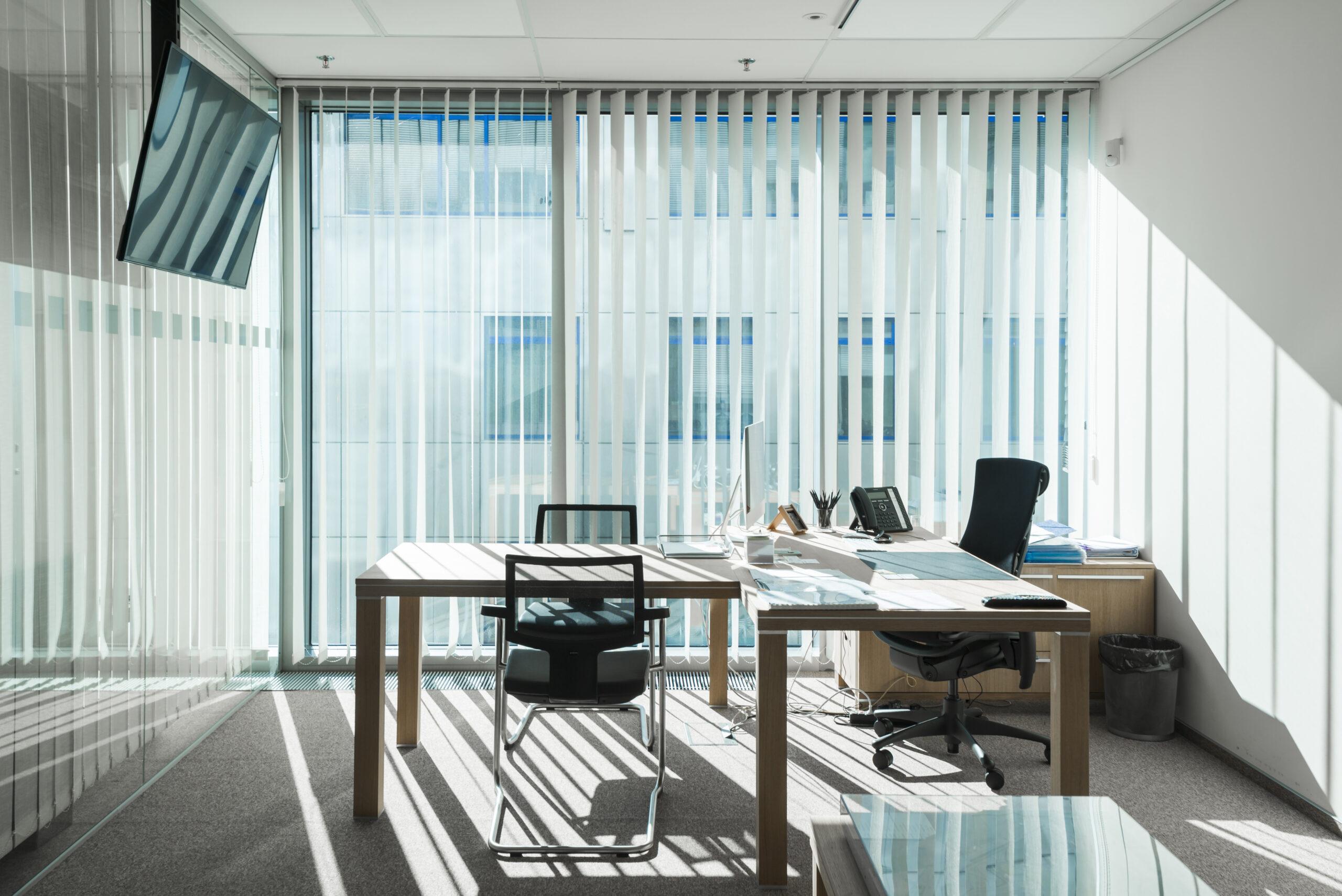
Modern office curtains are available in many styles, materials, and layouts that suit both open-plan offices and private workspaces. Whether used in meeting rooms, executive offices, or collaborative areas, curtains contribute to workplace efficiency by helping manage glare, temperature, and distractions throughout the day.
How office curtain styles influence workplace lighting and employee comfort
Lighting conditions have a major impact on productivity and visual comfort in office environments. Excessive sunlight can create glare on computer screens, while insufficient daylight may make workspaces feel dull and uncomfortable.
Office curtains help balance lighting by:
- Filtering harsh sunlight
- Reducing glare on monitors
- Softening brightness levels
- Maintaining visual comfort
Businesses exploring office curtain concepts often prioritize styles that maintain natural daylight without creating distractions or overheating indoor spaces.
Soft lighting conditions also contribute to a calmer atmosphere, helping employees remain focused during long working hours.
Popular office curtain fabrics used in modern professional interiors
Curtain fabric selection strongly influences both functionality and appearance in office settings. Durable and low-maintenance materials are commonly preferred because office curtains experience frequent exposure to sunlight and dust.
Popular office curtain fabrics include:
- Polyester blends
- Cotton-polyester combinations
- Dim-out fabrics
- Sheer textured materials
- Blackout fabrics
These materials are valued for their:
- Durability
- Wrinkle resistance
- Easy maintenance
- Professional appearance
Textured fabrics can soften modern office interiors, while smoother fabrics create cleaner and more corporate aesthetics.
The role of layered office curtains in improving privacy and focus
Layered curtain systems are widely used in contemporary offices because they provide flexibility for changing workplace needs.
Typical layered systems include:
- Sheer curtains for daylight filtering
- Blackout panels for privacy and presentations
Benefits of layering include:
- Adjustable lighting control
- Improved privacy
- Better acoustic softness
- Enhanced visual depth
Layered curtains are especially useful in meeting rooms and collaborative workspaces where lighting conditions change throughout the day.
How office curtain colors affect concentration and workspace atmosphere
Color selection plays an important role in workplace psychology and visual comfort. Neutral and balanced color palettes are commonly preferred because they create calm and organized environments.
Popular office curtain colors include:
- Gray
- Beige
- Soft white
- Charcoal
- Light taupe
These shades help:
- Reduce visual fatigue
- Create professional interiors
- Improve spatial balance
- Coordinate with office furniture
Many designers researching curtain suppliers focus on neutral curtain palettes because they adapt easily to evolving office layouts and décor styles.
Bright or overly saturated colors are generally avoided in workspaces that require concentration and visual consistency.
Common office curtain measurement mistakes that affect visual balance
Improper measurements can reduce both functionality and aesthetics in office interiors.
Frequent mistakes include:
- Hanging curtains too low
- Choosing narrow curtain panels
- Ignoring ceiling height
- Selecting incorrect rod lengths
Office curtains should generally extend wider than the window frame to maximize daylight when opened.
Proper height placement also helps ceilings appear taller and offices feel more spacious.
Accurate measurements contribute to cleaner visual alignment and better curtain movement.
Ways office curtains contribute to acoustic comfort in busy environments
Noise management is increasingly important in open-plan offices and collaborative workplaces. Hard surfaces such as glass and metal often increase sound reflection and echo.
Curtains help improve acoustic comfort by:
- Absorbing sound waves
- Softening echo
- Reducing background noise
- Improving meeting room clarity
Heavier curtain fabrics are especially useful in:
- Conference rooms
- Executive offices
- Shared workspaces
- Presentation areas
Acoustic softness helps work environments feel calmer and more comfortable throughout the day.
Maintenance practices that help office curtains remain clean and durable
Office curtains accumulate dust and sunlight exposure over time, making regular maintenance essential.
Helpful maintenance routines include:
- Vacuuming weekly
- Spot-cleaning stains immediately
- Inspecting curtain tracks regularly
- Rotating layered fabrics occasionally
- Following fabric care instructions carefully
Low-maintenance fabrics are often preferred in high-traffic workplaces because they preserve appearance with less effort.
Businesses exploring curtains dubai satwa styles frequently prioritize durable materials suitable for daily commercial use.
Choosing suitable office curtain layouts for meeting rooms and workstations
Different office spaces require different curtain solutions depending on their purpose.
Meeting Rooms
- Blackout curtains improve presentations
- Layered systems enhance flexibility
- Neutral colors maintain professionalism
Open Workstations
- Light-filtering fabrics preserve brightness
- Minimalist styles reduce visual clutter
- Acoustic fabrics improve comfort
Executive Offices
- Richer textures create sophistication
- Floor-length curtains improve elegance
- Layered treatments add privacy
Matching curtain layout to workspace function improves both efficiency and visual organization.
Conclusion
Office curtains are an important component of productive and visually balanced workplaces. By selecting suitable fabrics, layered systems, neutral colors, and durable materials, businesses can improve employee comfort, lighting control, and workplace functionality. Proper maintenance and thoughtful installation also help office curtains remain effective and visually appealing over time.
FAQs
What curtain styles are best for office interiors?
Layered curtains, blackout panels, and neutral minimalist designs are commonly preferred.
How do office curtains improve workplace comfort?
They help regulate lighting, reduce glare, and soften indoor acoustics.
Which office curtain fabrics are easiest to maintain?
Polyester blends and durable synthetic fabrics are generally low maintenance.
Can office curtains reduce glare from sunlight?
Yes, especially blackout and light-filtering curtain systems.
How often should office curtains be cleaned?
Regular weekly dust removal and deeper cleaning every few months is recommended.