
Office design affects employee comfort, concentration, and workplace atmosphere. Curtains are one of the most overlooked elements in office interiors, yet they significantly influence lighting, privacy, and visual balance.
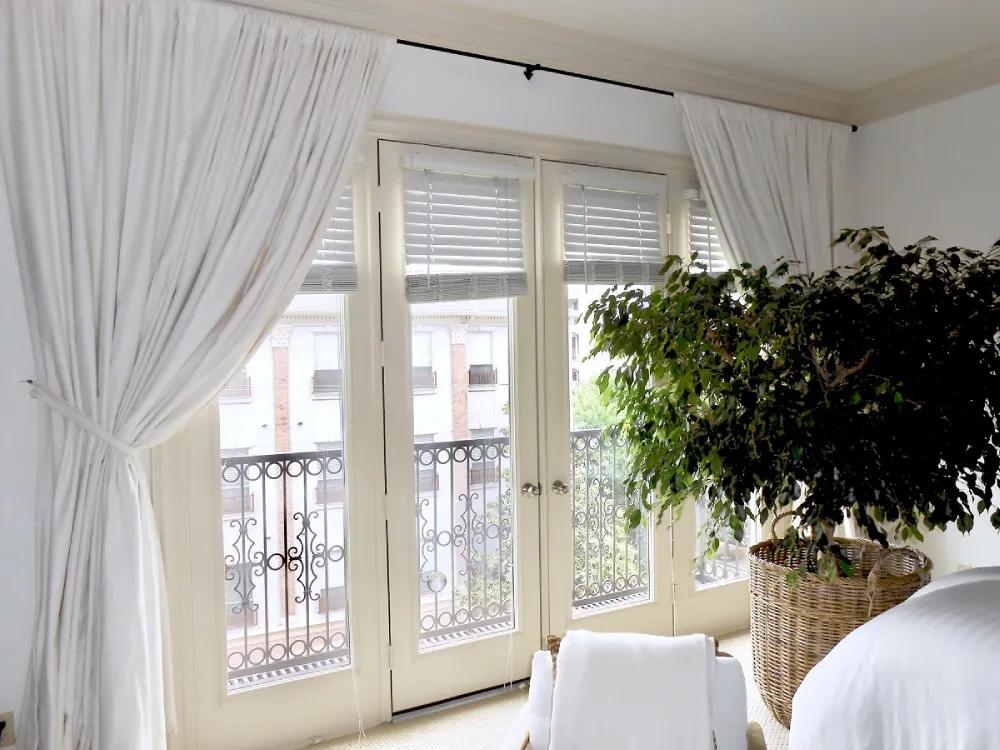
Modern workplaces increasingly prioritize functional interiors that support productivity while maintaining a professional appearance. Curtain design contributes to this by helping control sunlight, improving acoustics, and enhancing workspace aesthetics.
How curtain design choices shape productivity and visual comfort inside professional office settings
Curtain design directly impacts how comfortable employees feel throughout the workday. Excessive glare and uncontrolled sunlight can reduce concentration and create visual strain.
Thoughtful curtain design helps:
- Improve lighting balance
- Reduce eye fatigue
- Create organized workspaces
- Support employee focus
Many professionals exploring curtain design for office concepts aim to combine functionality with modern interior aesthetics.
Differences between lightweight decorative curtains and privacy-focused office curtain solutions
Not all curtain designs serve the same purpose. Some prioritize aesthetics, while others focus on privacy and lighting control.
Decorative Curtains
Decorative options often use lighter fabrics and softer textures to create welcoming interiors.
Privacy-Focused Curtains
Privacy-focused solutions use thicker materials that help reduce visibility and improve concentration.
Choosing between these styles depends on office activities, layout, and natural lighting conditions.
The growing popularity of chiffon curtains in modern interior decoration and layered styling
Chiffon curtains have become increasingly popular due to their lightweight appearance and soft texture.
Advantages of chiffon fabrics include:
- Gentle light diffusion
- Elegant visual movement
- Airy interior appearance
- Compatibility with layered designs
Many interior designers use chiffon curtains in office lounges and collaborative spaces where softer lighting is preferred.
How curtain textures and patterns influence workplace mood and interior harmony effectively
Texture and pattern selection affect how office interiors feel visually and emotionally.
Neutral textures often create calm environments, while bold patterns may introduce energy into creative spaces.
Design considerations include:
- Matching furniture finishes
- Coordinating wall colors
- Balancing natural and artificial lighting
- Maintaining visual consistency
Subtle textures usually work best in professional environments because they reduce distractions.
Essential considerations when combining curtain styles with office furniture and wall colors
Curtains should integrate naturally with other design elements.
Important considerations include:
- Furniture material tones
- Wall color palettes
- Flooring finishes
- Natural light direction
- Ceiling height
Balanced combinations help offices appear more organized and visually comfortable.
The importance of balancing natural sunlight with glare reduction in office environments
Natural light supports productivity, but excessive brightness can create discomfort. Curtains help maintain an effective balance between daylight and visual comfort.
Effective sunlight management can:
- Reduce computer screen glare
- Improve indoor temperature control
- Enhance workspace usability
- Create more consistent lighting conditions
Layered curtain systems often provide flexibility throughout different times of the day.
Ways customized curtain designs improve privacy while maintaining elegant workplace aesthetics
Customized curtain solutions allow offices to address specific layout and privacy challenges.
Benefits include:
- Better window coverage
- Improved acoustic control
- Enhanced design consistency
- Greater flexibility for meeting rooms
Many organizations researching york curtains styles appreciate the balance between elegance and practical functionality.
Common office curtain design trends that continue influencing contemporary workspace interiors
Several trends continue shaping modern office curtain design.
Popular trends include:
- Neutral color palettes
- Minimalist designs
- Layered curtain systems
- Sustainable fabric choices
- Motorized curtain systems
These trends reflect the growing demand for adaptable and comfortable workplaces.
Conclusion
Curtain design plays an important role in workplace comfort, privacy, and visual harmony. Well-planned curtain systems help regulate sunlight, improve aesthetics, and support productive office environments. By considering materials, textures, and functionality, offices can create balanced interiors that meet both practical and design needs.
FAQs
What curtain styles work best in offices?
Minimalist and functional curtain designs are commonly preferred for professional environments.
Why are chiffon curtains popular in modern interiors?
They provide soft light diffusion and create elegant, lightweight interior aesthetics.
How do curtain colors affect office environments?
Neutral colors often support calm and professional atmospheres while reducing distractions.
What is the benefit of layered curtain designs?
Layered systems provide flexible control over lighting and privacy.
How can curtains improve office privacy and comfort?
Curtains reduce outside visibility, control glare, and help create quieter workspaces.