
Office interiors are designed to support productivity, comfort, and professionalism. While furniture and lighting often receive the most attention, curtains also play a major role in shaping workplace environments. The right curtain style can influence privacy, natural lighting, acoustics, and even employee concentration levels.
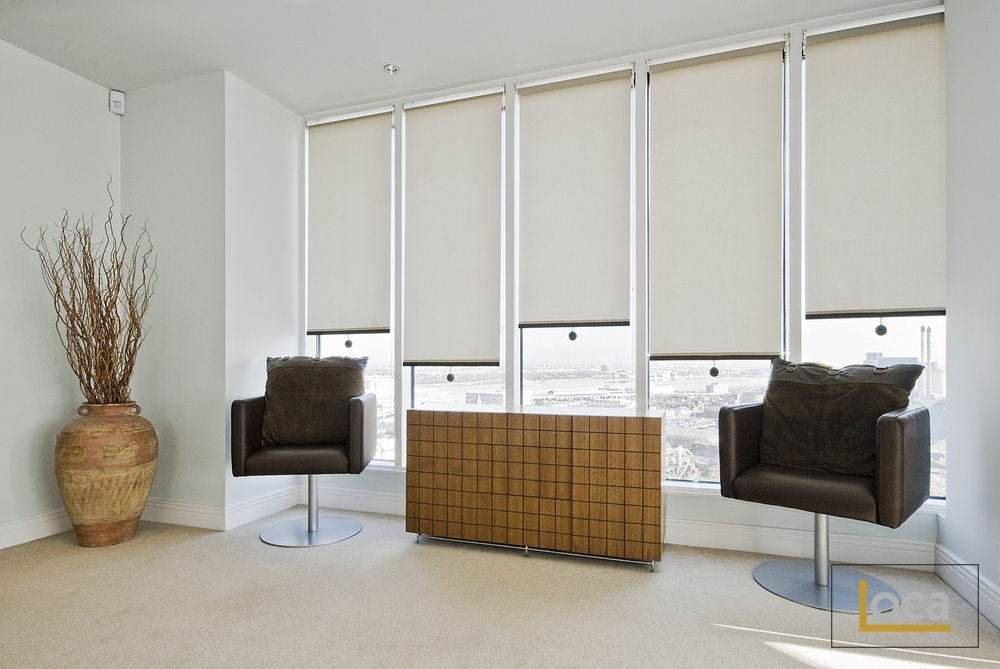
Modern offices use curtains for more than decoration. They help regulate glare, improve energy efficiency, and create a balanced atmosphere suitable for meetings, focused work, and collaborative tasks. As workplace design continues evolving, curtain selection has become an important part of office planning.
How modern workspace environments benefit from thoughtful curtain styling choices for comfort and focus
A well-designed office environment can improve employee satisfaction and reduce visual distractions. Curtains contribute to this by softening harsh sunlight, reducing reflections on screens, and supporting a calm atmosphere.
Different workplaces require different curtain solutions. Open-plan offices often benefit from light-filtering materials, while conference rooms may require darker fabrics for presentations. Thoughtful curtain styling allows organizations to create spaces tailored to specific tasks.
Many professionals researching office curtain solutions focus on balancing aesthetics with practical functionality.
Important factors to understand before selecting curtain fabrics for professional office interiors
Fabric selection affects durability, maintenance, and lighting control. Office curtains are exposed to daily use, which means materials should withstand constant exposure to sunlight and movement.
Common office curtain fabrics include:
- Polyester blends for durability
- Sheer fabrics for filtered daylight
- Blackout materials for privacy
- Layered combinations for flexible light control
Choosing fabric also depends on the office layout. Areas with heavy sunlight exposure may require thicker materials, while collaborative spaces often benefit from softer light diffusion.
The role of natural lighting management in improving employee productivity and visual comfort
Natural light improves mood and supports productivity, but excessive brightness can create discomfort. Curtains help regulate sunlight without completely blocking it.
Proper lighting management provides several benefits:
- Reduced screen glare
- Better visual comfort
- Improved temperature control
- Enhanced focus during work hours
Modern office design increasingly prioritizes adaptable lighting environments. Curtains provide flexibility by allowing users to adjust brightness throughout the day.
Differences between sheer, blackout, and layered curtain options for office functionality
Different curtain types serve different workplace needs.
Sheer Curtains
Sheer curtains allow daylight to enter while maintaining some privacy. They work well in creative spaces and lounges.
Blackout Curtains
Blackout curtains are ideal for conference rooms, presentation spaces, and offices exposed to intense sunlight.
Layered Curtains
Layered systems combine sheer and blackout materials for maximum flexibility. Offices can switch between natural lighting and complete privacy depending on activities.
Professionals often consult experienced curtain suppliers to better understand which curtain combinations suit specific workspace requirements.
Common office curtain color combinations that support a calm and professional atmosphere
Color selection influences workplace mood. Neutral tones remain popular because they create a clean and organized appearance.
Frequently used office curtain colors include:
- Beige
- Gray
- White
- Soft blue
- Earth tones
Bright colors can sometimes become visually distracting in work environments. Soft tones usually support concentration and professional aesthetics more effectively.
Color combinations should also complement flooring, wall finishes, and furniture design.
How curtain placement and window coverage affect workspace privacy and acoustic control
Curtain positioning influences both privacy and sound management. Full-length curtains often improve acoustic absorption by reducing echoes in large spaces.
Proper window coverage also helps:
- Block unwanted outside visibility
- Reduce distractions
- Improve meeting room confidentiality
- Enhance comfort in shared workspaces
Curtain placement should align with window dimensions and ceiling height to achieve balanced visual proportions.
In many urban work environments, offices located near busy commercial areas such as curtains dubai satwa often prioritize both acoustic comfort and privacy solutions.
Practical maintenance tips for keeping office curtains clean and visually appealing over time
Office curtains require regular maintenance to maintain cleanliness and appearance.
Important maintenance practices include:
- Vacuuming curtains regularly
- Cleaning stains immediately
- Following fabric-specific washing guidelines
- Inspecting curtain tracks and hooks
- Preventing excessive dust accumulation
Regular maintenance improves curtain lifespan and helps maintain indoor air quality.
Mistakes businesses should avoid when planning curtain layouts for corporate environments
Several common mistakes can reduce the effectiveness of office curtains.
Ignoring Lighting Conditions
Curtains should match the amount of natural light entering the workspace.
Choosing Style Over Function
Visually appealing curtains may not always provide sufficient privacy or glare control.
Poor Measurements
Incorrect measurements can result in uneven appearance and ineffective coverage.
Overcomplicated Designs
Simple and functional designs often work better in professional environments than highly decorative styles.
Avoiding these mistakes helps create a more comfortable and efficient workplace.
Conclusion
Office curtains contribute significantly to workplace functionality and interior balance. They support privacy, lighting control, acoustic comfort, and professional aesthetics. Careful fabric selection, thoughtful placement, and regular maintenance allow curtains to remain both practical and visually appealing in modern office environments.
FAQs
Why are curtains important in office interiors?
Curtains help manage sunlight, improve privacy, reduce glare, and contribute to overall workplace comfort.
Which curtain fabrics work best for office spaces?
Durable materials such as polyester blends, blackout fabrics, and layered curtain systems are commonly used in offices.
How do office curtains improve workplace privacy?
Curtains limit outside visibility and create more confidential environments for meetings and focused work.
What colors are most suitable for office curtains?
Neutral shades such as gray, beige, white, and soft earth tones are widely preferred for professional spaces.
Are blackout curtains useful in offices?
Yes, blackout curtains are especially useful in meeting rooms, presentation areas, and offices exposed to strong sunlight.